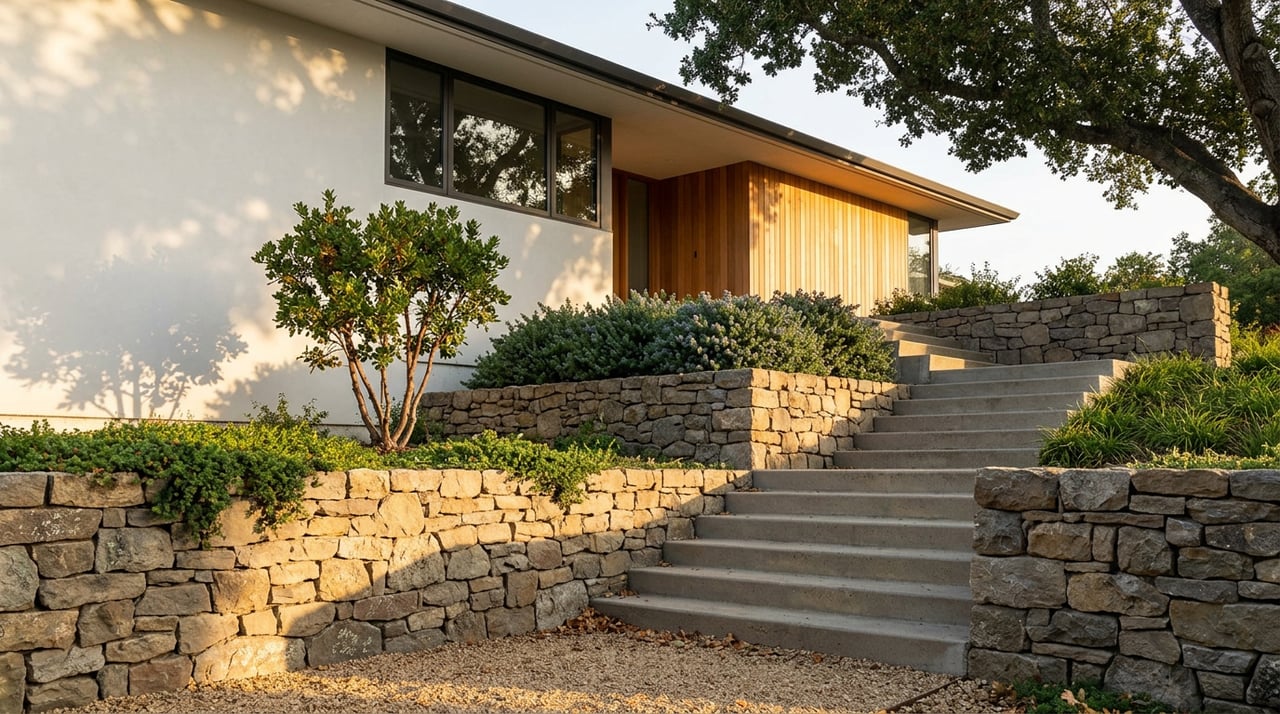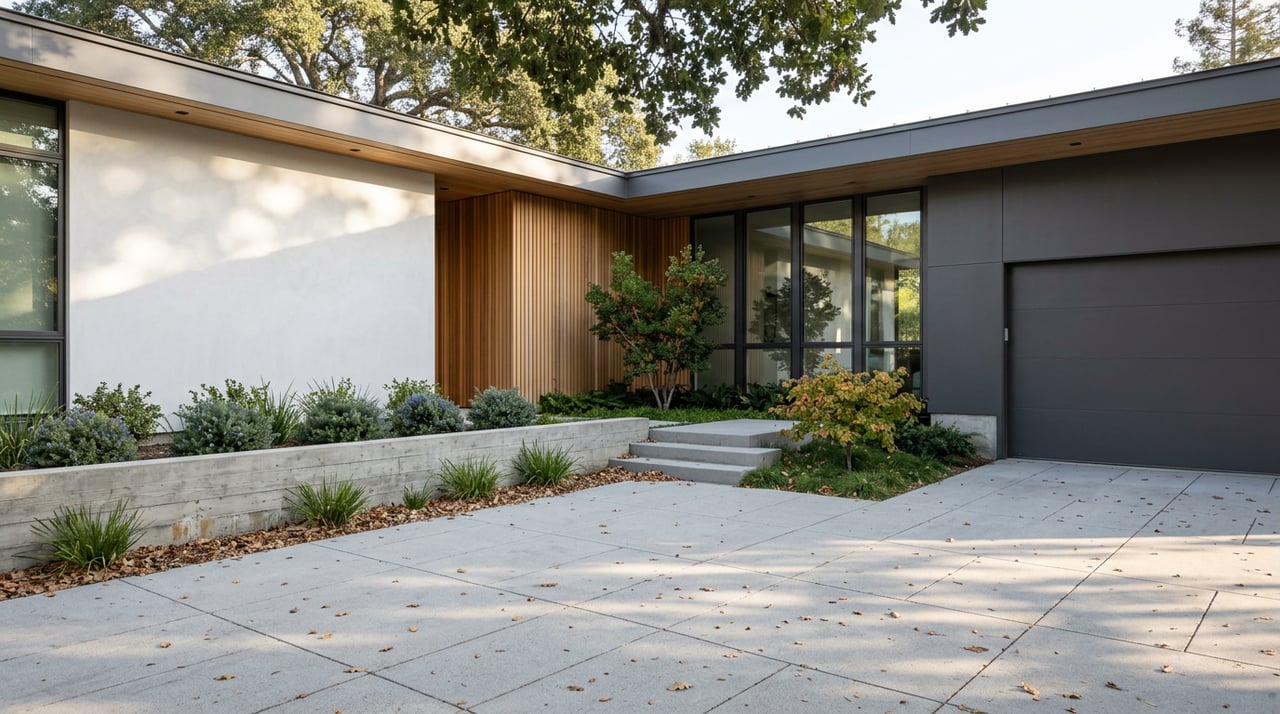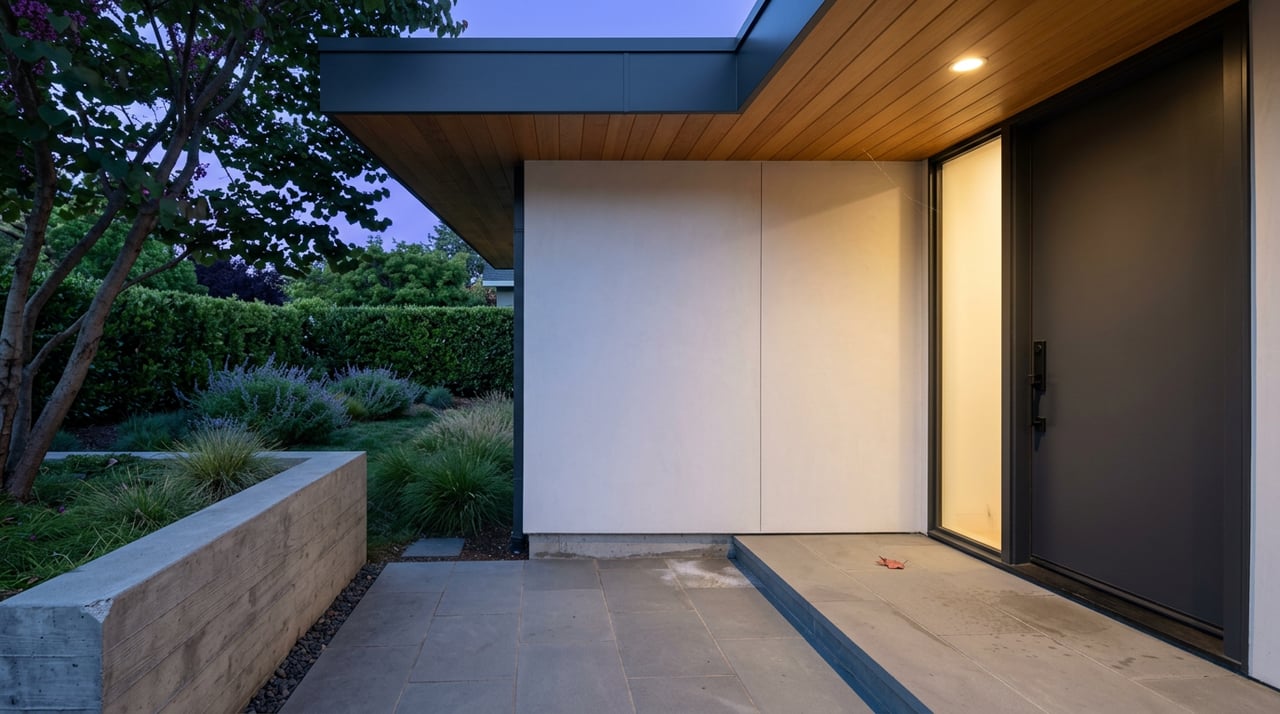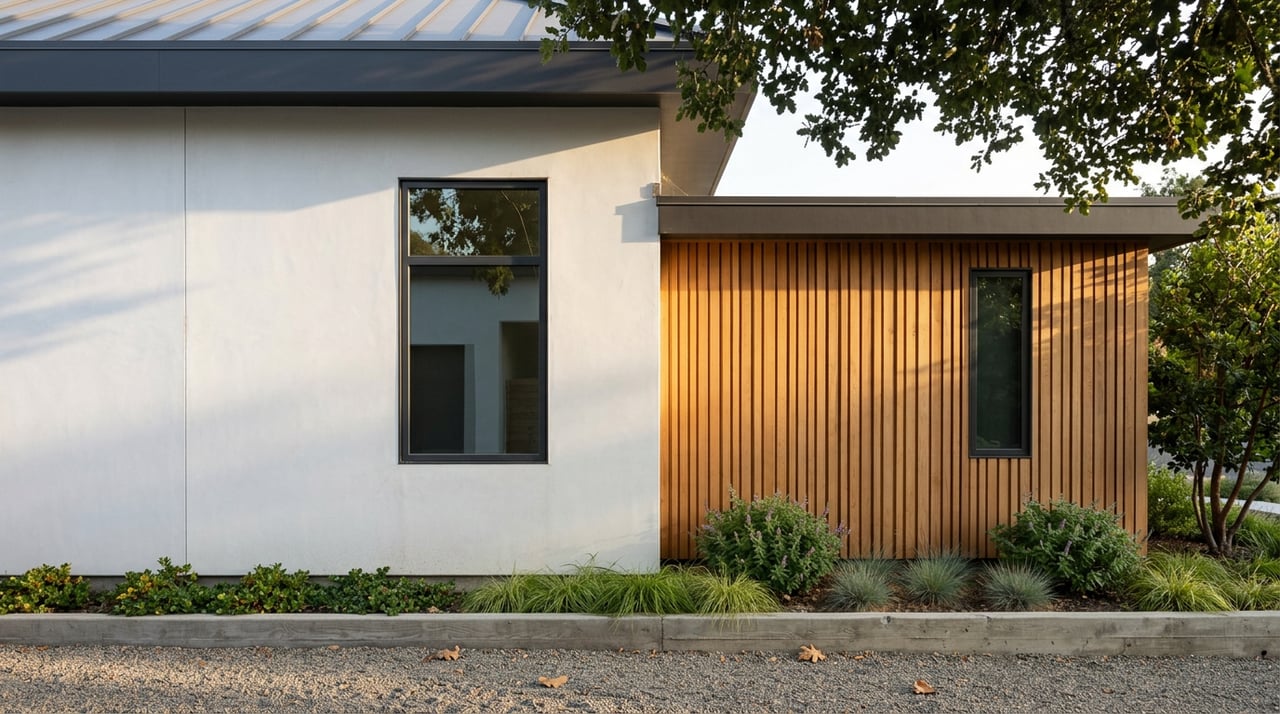
A buyer's inspector walks the perimeter of a 1962 ranch on a quiet street off University. He notices the sub-panel in the garage is newer than the meter, that the third bedroom has a suspiciously low ceiling, and that the covered patio is wired for a hot tub. He writes it up. Two days later the buyer's agent asks for the permit history from eTRAKiT. Nothing matches. The re-trade conversation starts on Friday afternoon.
This is the single most common reason a Los Altos sale gets renegotiated between contract and close, and almost every element of the story is preventable. The reason it keeps happening is that sellers understand the disclosure obligation but misunderstand the timeline. In a market where buyers expect turn-key, the discount they extract for a mid-escrow surprise is almost always larger than what it would have cost to clear the issue before listing.
The premise of this post is narrower than the usual "how to sell a house with unpermitted work" guide. It is that in Los Altos specifically, the state disclosure regime is only the floor. The local review layer, and the way older Los Altos homes were built, together compress the seller's real decision window to the moment before the listing photos are shot.
The disclosure floor is higher than most Los Altos sellers think
California Civil Code §1102 requires a Transfer Disclosure Statement, and the Seller Property Questionnaire asks directly about room additions, structural modifications, alterations, permits, and known code violations. That obligation applies whether the work was done last year or by an owner three deeds back, as long as the current seller knows. An as-is clause does not erase it.
Since July 1, 2024, AB 968, codified as Civil Code §1102.6h, has layered a second obligation on any seller who accepts an offer within eighteen months of taking title. The statute requires the seller to disclose every contractor-performed room addition, structural modification, alteration, or repair completed since title transferred, to name each contractor and provide the contact information the contractor provided, and to hand over permit copies or point the buyer to the third party who holds them. The naming requirement is triggered by the dollar threshold in Business and Professions Code §7027.2, which sits at $500 for aggregate labor and materials. That threshold catches most electrical service upgrades, most bathroom scopes, and virtually any structural work.
Two 2026 additions widened the disclosure envelope further. Sellers must now disclose whether the home contains gas-powered appliances and whether tobacco or nicotine products have been used inside, and the death-on-property rule continues to require disclosure of any death on the premises within the prior three years.
The practical implication for a Los Altos seller who inherited or bought quickly is that the seller has to build the paper trail themselves before the buyer's inspector builds it for them. That is the moment eTRAKiT stops being a curiosity and becomes the first tool in the listing prep.
Where Los Altos adds weeks the state doesn't
The City of Los Altos Building Division accepts plans only electronically, and intake review runs two to four business days before plan check begins. That is the fast part. The slow parts are the discretionary layers that older Los Altos homes are more likely to trigger than a newer tract elsewhere in the county.
Four triggers matter for legalization work on a mid-century ranch:
Historic review. The city's Historic Preservation Ordinance subjects exterior alterations or additions on designated Historic Resources and Landmarks to a separate permit path. The May 2026 permit log shows this is not hypothetical. One current permit at 739 Los Altos Avenue is a $200,000 interior remodel on a designated historic resource, with wood window requirements imposed to comply with historian review. Owners of properties on the city's historic inventory who discover unpermitted exterior work face a longer path than the base building permit implies.
Tree protection. Protected-tree rules can require an arborist report and tree protection measures for anything that touches the drip line. On a legalization job that involves foundation work or a deck footing near a heritage oak, this adds review time and site protection cost.
Title 24 and CALGreen. Most remodels affecting the building envelope, HVAC, lighting, or water heating require Title 24 energy compliance documentation and CALGreen measures. When retroactive permitting reopens a wall or panel that was installed to an older code, the current code applies, not the code that existed when the work was done. A fifteen-year-old electrical run may need to be brought forward to the 2022 energy standards before it can be signed off.
Neighborhood compatibility. Additions and second-story work run through the city's Neighborhood Compatibility Worksheet, which is a design-review overlay on top of the base zoning envelope. Legalizing a prior garage-to-living conversion that expanded the footprint can pull the entire project into that review.
Los Altos Hills adds its own texture. Since July 1, 2024, the town has required all permit submittals through its eTRAKiT portal, and inspection slots are booked through 650-947-2501 with a three to four day lead time and no same-day option. On hillside parcels, the buildable envelope shrinks further under Article 5 setback and floor-area constraints, which matters when a conversion pushes coverage past what current zoning would allow.
The math sellers keep getting wrong
The published discount for openly disclosed unpermitted work runs roughly 10 to 20 percent below comparable permitted homes on the open market, and 30 to 40 percent for a cash-investor buyer who prices in the legalization work themselves. Appraisers exclude unpermitted living area from gross living area, which pulls the appraisal, which in turn pulls the loan the buyer can secure. Conventional, FHA, and VA underwriters treat significant unpermitted work as a defect on the file, so the practical buyer pool for a home with a large unresolved conversion collapses toward cash.
Retroactive permit fees themselves are modest in California, typically several hundred to a couple of thousand dollars in city fees, plus whatever corrective work the inspector demands to bring the assembly to current code. Removal of unpermitted work can exceed $12,000 depending on scope.
Sitting the two numbers next to each other is what changes the seller's decision:
| Path | Time before list | Direct cost | Effect on buyer pool | Best fit in Los Altos |
|---|---|---|---|---|
| Retroactive permit and inspection | 4 to 12 weeks for a moderate scope, longer with historic or tree review | Permit fees plus corrective work to current code | Restores financed-buyer access | Garage conversions, added baths, panel upgrades that are well built |
| Disclose and price as-is | Zero | Zero direct, 10 to 20 percent discount from market | Narrows to buyers who tolerate the paper gap | Small scopes, cosmetic electrical, decks the buyer can accept |
| Remove and restore | 2 to 6 weeks | Demolition and restoration cost | Restores financed-buyer access | Unpermitted structures that are lightly used or add little value |
The gap between "disclose and price as-is" and "retroactive permit" is where the Los Altos-specific argument lives. On a $3.5 million ranch, a 10 percent discount is $350,000. A retroactive permit path on a typical garage conversion, even with corrective electrical and Title 24 documentation, rarely approaches that number. The reason sellers still choose the discount is that they discover the problem after the listing is live and no longer have the calendar to cure it.
What actually gets discovered in a Los Altos escrow
The most common findings in this market cluster around a small set of patterns. Prior-owner garage conversions to a bedroom, office, or ADU predecessor. Added bathrooms where a closet used to be. Sub-panels or service upgrades done without a permit during a roof-mounted PV install. Covered patios and pergolas that turned into partially enclosed rooms. Water heater and HVAC replacements swapped in without the mechanical permit.
The May 2026 Los Altos permit log confirms the pattern in real time. A permit at 1236 Miraflores Way, taken out by Elite Build Group LLC on May 29, 2026, converts an existing garage into a bedroom, office, bathroom, powder, and laundry, at a stated valuation of $130,000. That is the sanctioned version of the same conversion that shows up in a hundred older homes on the same streets without a permit number.
The tactical answer, before listing, is a permit history pull on the property in eTRAKiT or the Los Altos Hills equivalent, followed by a walking review with a contractor who reads permits for a living. A property with a clean permit trail lists differently than one with a gap, and the difference is worth setting up before the sign goes in the yard, not after the inspector's report lands in the buyer's inbox.
Frequently asked questions
Does an as-is listing eliminate my disclosure obligation? No. As-is limits your obligation to make repairs. It does not limit your obligation to disclose what you know. California courts have consistently ruled for buyers who discover material defects the seller knew about and did not disclose.
I owned the home for less than eighteen months and did some work. Does AB 968 apply if I used my own labor? The naming requirement applies to work performed by a contractor with whom you contracted, above the §7027.2 threshold. Owner-builder work has its own exemption path, but the exemption has strict conditions, including a residency requirement, and it does not remove the underlying TDS and SPQ disclosures.
Will legalizing prior owners' work reset the code baseline for the rest of the house? Only for the assemblies the inspector opens. The permit is scoped to the work being legalized. In practice, Title 24 and CALGreen touch anything the retroactive permit reopens, which is why a small legalization sometimes surfaces a larger scope.
Can I sell to an investor and be done with it? Yes, and the price will reflect that path. The typical cash-investor discount runs 30 to 40 percent below the permitted comparable, which is where the arithmetic of the discount versus the retroactive permit path is at its widest.
If you are preparing a Los Altos or Los Altos Hills listing and suspect the permit trail has gaps, the highest-leverage hour of the entire sale is the one spent pulling the record before the listing photos are shot. Amir Delpazirian and the Moussavian Real Estate Team combine broker representation with civil engineering and general contractor credentials, and can walk a property with you, read the permit history, and tell you honestly whether legalization, disclosure, or removal is the right path for your numbers.