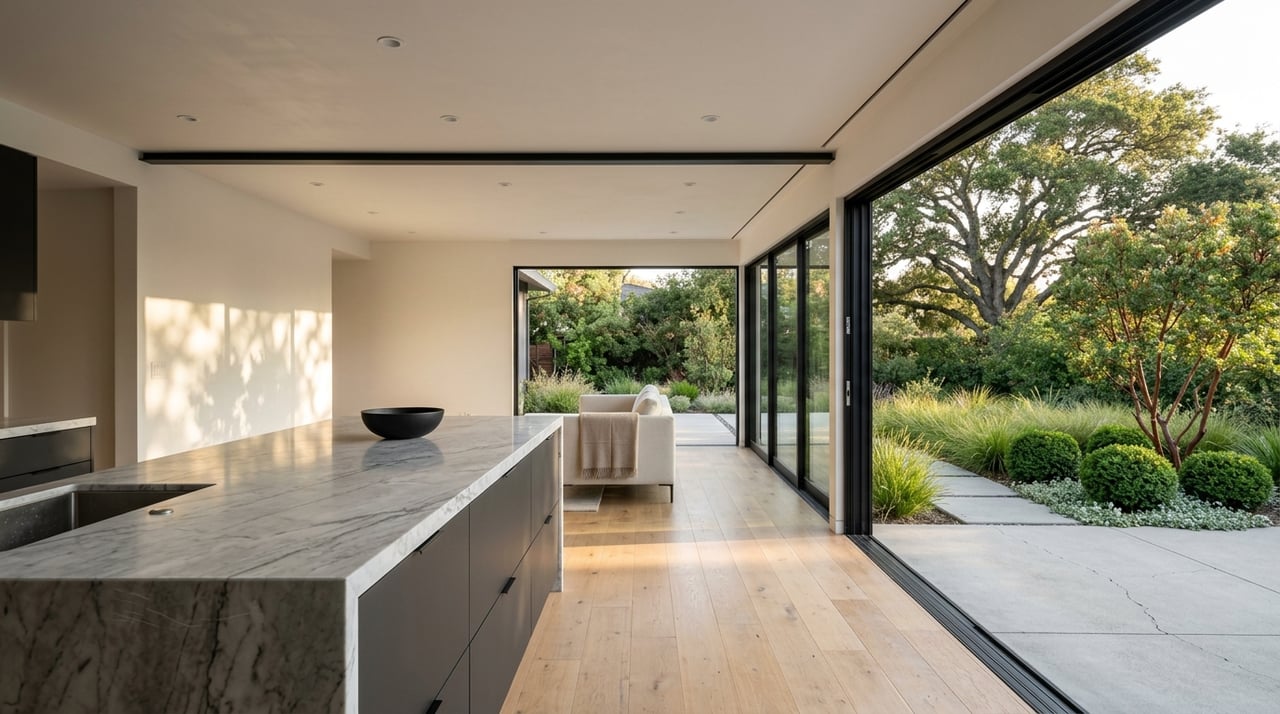
If you have ever walked through a classic Los Altos ranch home and thought, this could be amazing with the right plan, you are not alone. Many of these homes sit on generous lots, have strong basic layouts, and offer real upside for buyers and owners who want to improve daily function without losing the character that makes Los Altos feel like Los Altos. This guide will help you understand where remodel potential is often strongest, what local rules can shape your options, and when a remodel may make more sense than a larger rebuild discussion. Let’s dive in.
Why Los Altos Ranch Homes Stand Out
Los Altos has a housing pattern shaped by spacious lots, mature landscaping, open front yards, and low-profile homes. According to city design guidance, much of the housing stock was developed in the 1950s, and ranch is the dominant architectural style.
That context matters if you are evaluating remodel potential. About 81.0% of Los Altos housing units are single-family detached homes, and 45.4% of the housing stock was built before 1960, with the largest share built from 1940 to 1959. In other words, classic ranch homes are not a niche here. They are a major part of the local market.
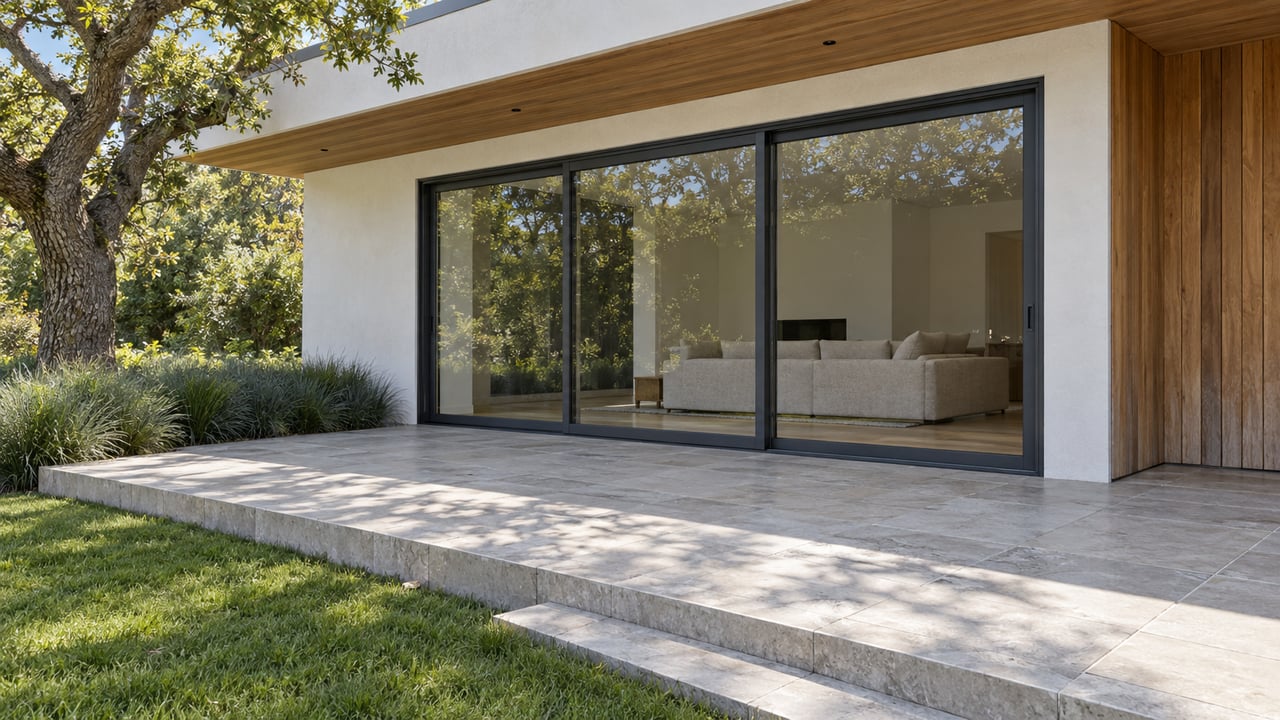
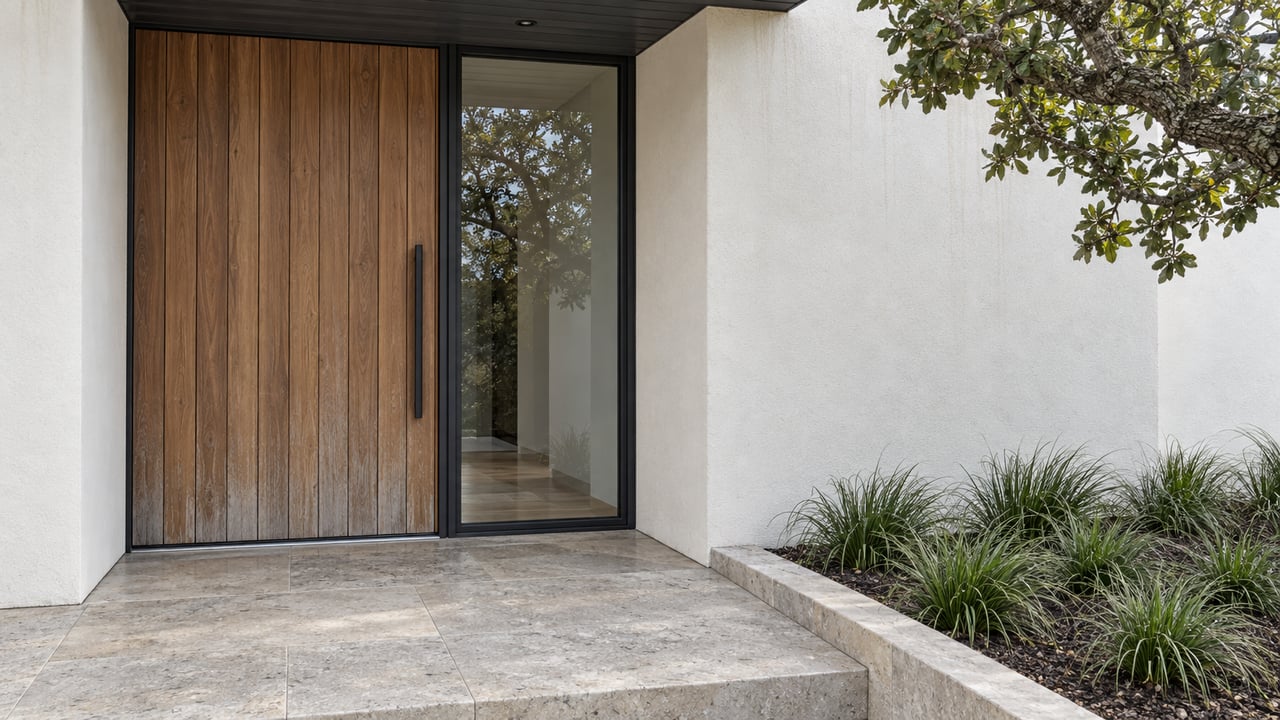
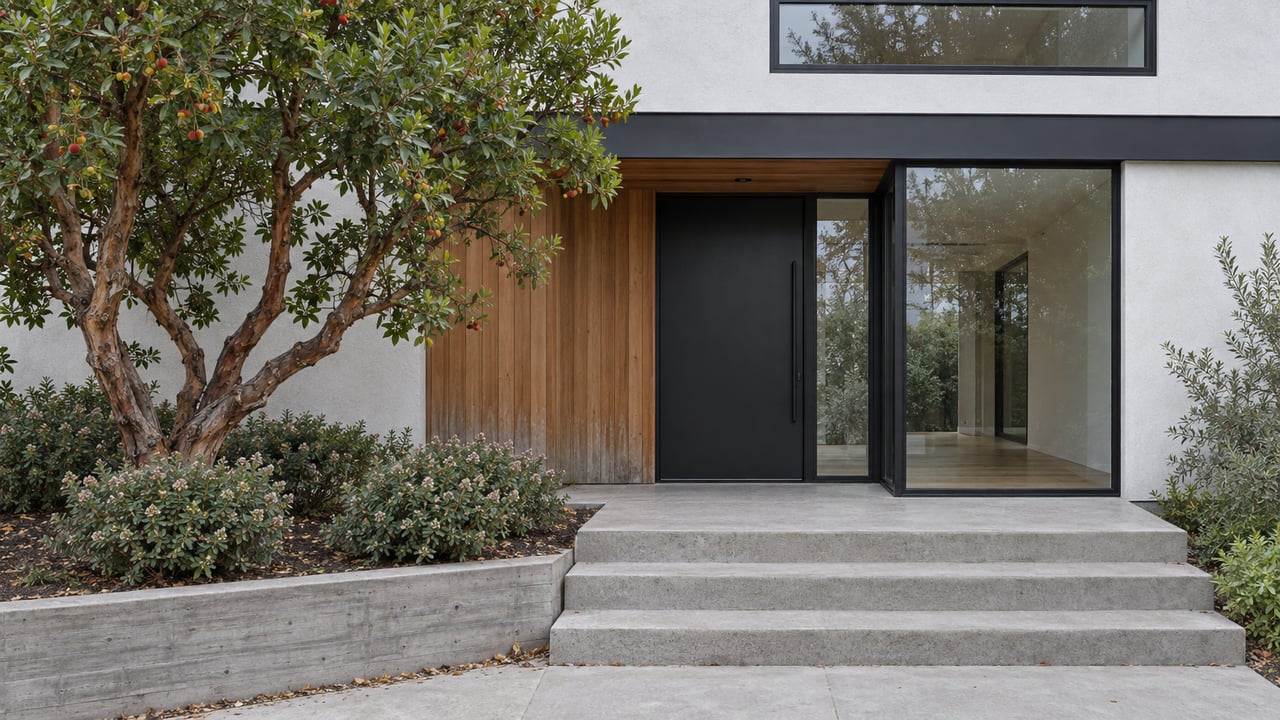
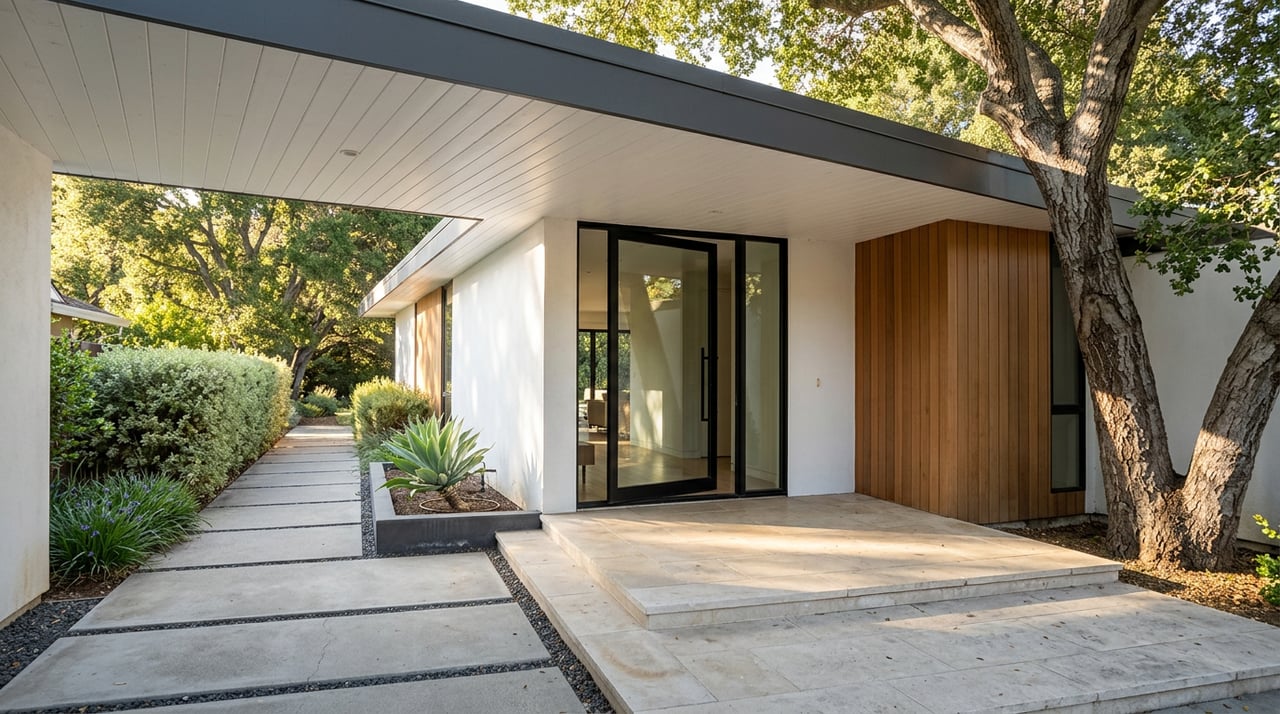
These homes typically feature simple rectangular forms, low-pitched roofs, attached garages, large windows, and a strong horizontal look. Their basic efficiency is a big reason they remain such a practical starting point for renovation.
What Makes a Ranch Home Remodel-Friendly
Classic ranch homes often work well for remodeling because their forms are straightforward and their layouts can usually be improved without completely fighting the original structure. In Los Altos, that can be especially valuable because city review pays close attention to privacy, bulk, landscaping, and neighborhood character.
That means the best remodels are often not the biggest ones. In many cases, the most successful updates improve how the house lives day to day while keeping the low, grounded scale that fits the lot and surrounding homes.
For buyers, that can mean a property with upside that is easier to unlock than it first appears. For sellers, it can mean an older home has more value potential than a quick first impression might suggest.
High-Impact Remodel Ideas
Open the Kitchen-Living Core
Many older ranch homes were built with more separation between kitchen, dining, and living areas than buyers typically want today. One of the most meaningful changes is often reworking that central living zone so movement feels easier and shared spaces feel more connected.
Because ranch homes already tend to spread horizontally, improving circulation within the existing footprint can deliver a big quality-of-life gain. This kind of update can also preserve the exterior scale that Los Altos design review tends to favor.
Improve the Primary Suite
Another common opportunity is creating a more functional primary suite. That may involve rethinking bedroom-to-bath access, expanding a bath modestly, or improving closet space and storage.
In older homes, these changes can solve daily frustrations without requiring a dramatic street-facing addition. A practical suite upgrade often adds comfort while respecting the home's original form.
Add Better Laundry and Storage
Laundry rooms, mudroom-style drop zones, and storage upgrades can have an outsized effect in mid-century homes. Many classic ranch properties were built for different household needs than buyers often expect now.
These are not always headline-grabbing projects, but they can significantly improve usability. If you are comparing homes in Los Altos, these functional improvements often matter as much as pure square footage.
Expand Modestly, Not Excessively
In Los Altos, modest additions can be a better fit than bulky expansions. Based on city design guidance, projects that preserve privacy, reduce perceived bulk, and maintain neighborhood character tend to align more naturally with local review priorities.
That often means carefully placed additions at the rear or side of the home may be more practical than a large, visually heavy front-facing expansion. The goal is usually to add function without making the house feel out of scale for the lot.
Local Rules That Shape Remodel Potential
Before you get too attached to a plan, it helps to understand the local framework. In Los Altos single-family districts, exterior alterations, additions, and new construction are subject to design review.
Most single-family homes are in the R1-10 district. The current code summary shows a maximum floor area of 35% of net lot area for lots up to 11,000 square feet, with minimum setbacks of 25 feet in the front, 10 feet on first-story interior sides, 17.5 feet on second-story interior sides, 20 feet on exterior sides, and 25 feet at the rear.
There is another important rule to keep in mind. On sites where lot coverage exceeds 30%, two-story structures are not allowed.
These standards can strongly affect whether a remodel remains straightforward or becomes more complex. They can also shape whether a one-story expansion is more realistic than adding a second floor.
One Story vs. Two Story in Los Altos
For many classic Los Altos ranch homes, one-story remodels are often the cleaner path. The city's design guidelines note that one-story projects are usually reviewed by planning staff, while two-story or unusual architectural projects go to the Architectural and Site Control Committee in a public meeting.
That does not mean a second story is never possible. It does mean the process, visibility, and design scrutiny may be different.
If your goals can be achieved within the existing envelope or through a measured one-story addition, that path may better preserve the home's original strengths. It may also keep the project better aligned with the surrounding streetscape.
ADUs, JADUs, and SB 9 Options
Not every improvement has to happen inside the main house. Los Altos allows ADUs and JADUs through a ministerial process that requires a building permit and related permits, and the city offers pre-approved and permit-ready ADU plan options.
For some properties, that can create another way to add flexibility without overloading the main residence. Depending on your needs, an ADU or JADU may support guest use, work-from-home separation, or additional living space.
SB 9 may also allow two residential units on one lot or a lot split in the R1 district without discretionary review or a public hearing, subject to objective standards. If you are evaluating an older ranch property for long-term use or value-add potential, these pathways can be worth understanding early.
Permitting Basics to Know Early
Los Altos requires electronic plan submittal for building permit review. The Building Division also states that additions and new single-family homes need prior Planning Department approval.
Some simpler permits can be handled through the city's eTRAKiT online system. Even so, a ranch remodel can move much more smoothly when planning, design review, and building review are considered together from the start.
If the property may be a historic resource or landmark, exterior alterations and additions trigger separate historic-preservation permit requirements. For older homes, checking historic status early can help you avoid expensive redesigns later.
Remodel vs. Rebuild: How to Think About It
This is one of the most important questions for Los Altos homeowners and buyers. At a broad planning level, current cost guides put a whole-house remodel at roughly $15 to $60 per square foot for simpler work and $70 to $150 per square foot for a full gut remodel.
Home additions commonly run about $125 to $250 per square foot. Second-story additions often run about $100 to $300 per square foot, while outward expansions often run about $150 to $400 per square foot. For a California comparison point, new construction is estimated at about $200 to $400 per square foot for a basic builder-grade home and $400 to $600 per square foot for a custom home.
These are broad planning ranges, not local bids, but they are useful for framing decisions. If a ranch home can be meaningfully improved within its existing envelope, a remodel may preserve lot character, mature trees, and the low-profile feel that many Los Altos buyers already value.
If your wish list requires a major footprint change, a second story, or a near-total structural overhaul, the conversation may shift. At that point, it often makes sense to compare the remodel path against a rebuild or a different property that already better matches your needs.
What Buyers Should Watch For
If you are shopping for a classic ranch home in Los Altos, try to look past cosmetic finishes and focus on fundamentals. The most promising homes are often the ones with a workable footprint, room to improve circulation, and a lot that supports thoughtful expansion within local rules.
Pay attention to:
- The existing one-story layout and whether rooms can connect more naturally
- Lot size and how setbacks may affect expansion options
- Current lot coverage and whether that limits second-story potential
- Garage placement and whether it helps or complicates a future redesign
- Whether the home may have historic status that changes permit requirements
A property does not need to be perfect on day one to be a smart purchase. It needs a realistic path to becoming what you want.
What Sellers Should Consider Before Listing
If you own an older ranch home, you do not always need to complete a full renovation to benefit from its remodel potential. In many cases, buyers place real value on a property that has a clear, credible improvement path, especially in a market where older homes on good lots remain in demand.
The key is understanding what that path actually looks like. A measured assessment of layout potential, likely design constraints, and possible expansion pathways can help you decide whether to renovate before selling, make selective improvements, or bring the property to market as-is with the right pricing and positioning.
That kind of analysis is especially important in Los Altos, where the details of permitting, scale, and lot constraints can materially affect value. A home's upside is not just about square footage. It is about what the site and city rules realistically allow.
If you are weighing remodel potential in a classic Los Altos ranch home, clear technical guidance can make the decision much easier. The Moussavian Real Estate Team combines local market insight with construction and permitting expertise to help you evaluate whether to renovate, sell, or buy with confidence.
FAQs
What defines a classic Los Altos ranch home?
- A classic Los Altos ranch home is typically a low-profile, single-story home with a simple rectangular form, low-pitched roof, attached garage, large windows, and strong horizontal lines, with many built in the 1940s and 1950s.
What remodels usually add the most function to Los Altos ranch homes?
- The most impactful remodels often improve the kitchen-living core, update the primary suite, add better laundry and storage, and create modest expansions that respect the home's original scale.
What Los Altos rules affect ranch home additions?
- Los Altos design review, floor area limits, setback requirements, and lot coverage rules can all affect additions, and on sites with more than 30% lot coverage, two-story structures are not allowed.
Can you add an ADU to a Los Altos ranch property?
- Los Altos permits ADUs and JADUs through a ministerial process with a building permit and related permits, and the city also offers pre-approved and permit-ready ADU plan options.
When does a Los Altos ranch remodel make more sense than a rebuild?
- A remodel often makes more sense when you can improve layout and function within the existing envelope or through a modest addition, while a rebuild may deserve consideration if the project requires major structural change, a large new footprint, or a second story.
Should you check historic status before remodeling an older Los Altos home?
- Yes, because if a property is a historic resource or landmark, exterior alterations and additions can trigger separate historic-preservation permit requirements.